
Social Media at Work? Work Messages after Hours?
Slack messages at night. LinkedIn networking on weekends. Instagram scrolling between meetings.
Social media can build community, strengthen belonging, and make communication feel more human. However, there is a fine line to balancing social media for work and social media for personal use, especially after work hours.
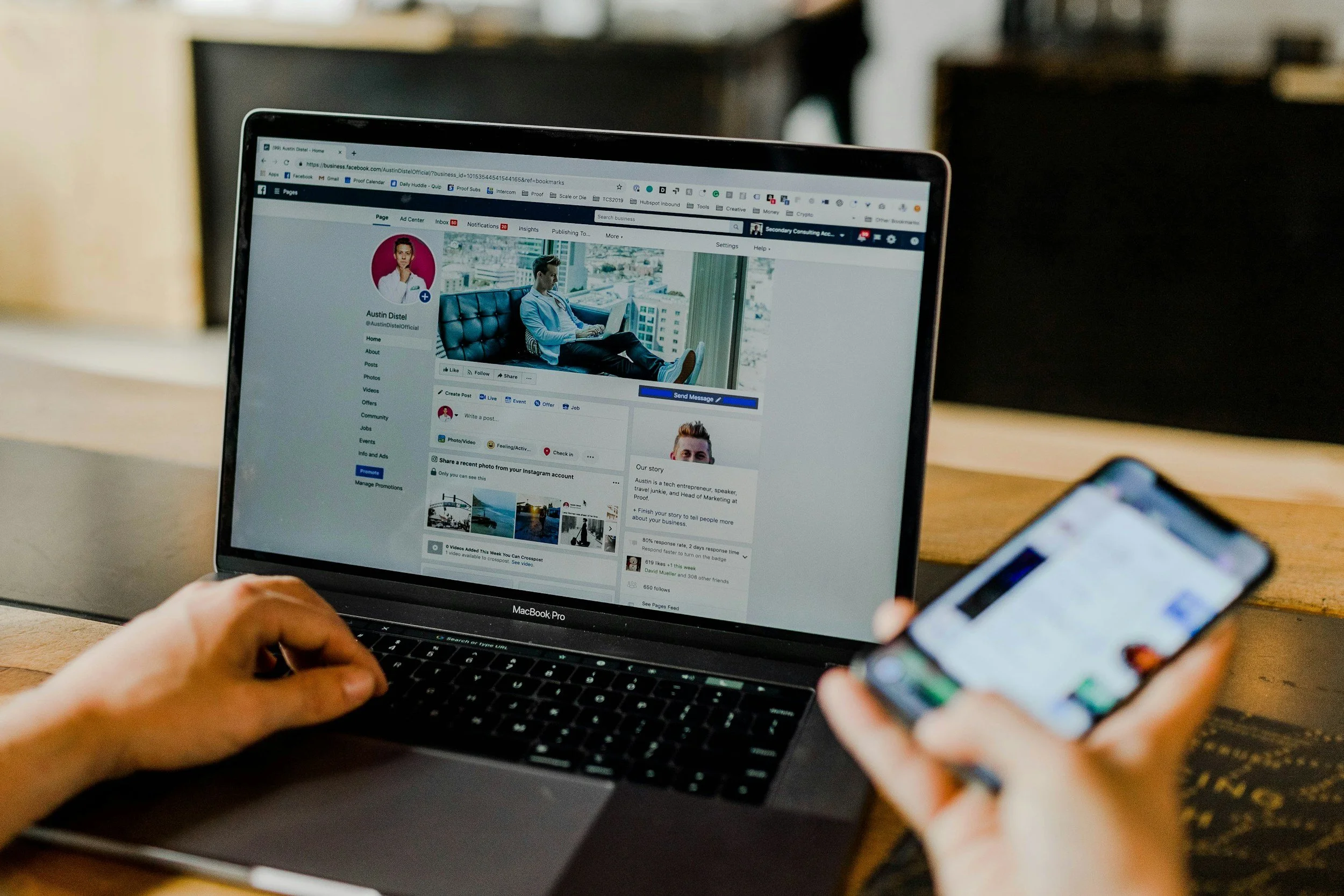
Are you dealing with employees who spend too much time online during work hours? What is your “after work” digital culture? When does “staying connected” for work quietly turn into too much pressure?
How constant connectivity shows up at work
Tools like Slack and Teams are amazing for internal communications, helping people to feel included and strengthen relationships across the organization. But they also make it much easier for work to spill into personal time, which can make it hard to fully disconnect.
This is called “Spillover Social Media” where employees use personal social media while at work, and work-related social media outside of work hours.
Research shows that short mental breaks at work can help people recover, reset, and return to their tasks with more focus and satisfaction. However, when employees feel that work follows them home and they have no control over their time, they may turn to using their own social media at work to cope and regain a sense of control on their free time. It can also show up when people feel treated unfairly, bored, or disconnected from their work.
What research says
Farivar and Richardson’s study was set out to test whether using spillover social media (both using work-related social media at home and using personal social media at work) reduces employees’ satisfaction at work and outside of work.
In a survey among 403 white collar Australian employees, the researchers found that the effects of spillover social media are not uniform across the workforce - but vary according to individual circumstances such as gender, marital status, and caregiving responsibilities.
The study found that single employees without children reported higher work satisfaction when they used work-related social media that crossed into their personal lives. Married men without children reported higher satisfaction outside of their work lives.
Parents, however, showed the opposite pattern: they reported higher satisfaction only when they did not engage in spillover social media.
These differences point to a simple but important idea: after‑work responsibilities shape how people experience digital spillover. For some, it adds connection and support. For others, it competes with limited personal time and creates strain. The same tool can feel helpful or draining depending on what someone is juggling once the workday ends.
If spillover drains certain groups more than others, they may seek small pockets of recovery during the workday. Using personal social media can become one of those pockets, a quick way to reclaim time, reset, or protect energy when after‑work hours are already stretched.
What is your next step?
Here are a few practical approaches that help employees stay connected without feeling overwhelmed:
Set clear boundaries for after‑hours communication — Stop non‑urgent messages from going out once the workday ends. If something can wait until tomorrow, let it wait. This protects personal time and reduces the pressure that pushes people toward spillover during the day.
Encourage short recovery breaks — A few minutes to reset can improve focus and reduce the need for longer, hidden breaks later.
Check in on workload and fairness — Spillover social media often signals overload or frustration. Addressing those issues directly is more effective than policing behaviour.
Support intrinsic motivation — When work feels meaningful and manageable, employees are less likely to escape into nonwork content.